The Failures
Off the Map: The Abandoned Streets of Oke Ola, Apomu

The current state administration frequently broadcasts its infrastructure successes, showcasing smoothly paved city tracks and high-profile urban road projects. But a quick journey to Quarry Road, Oke Ola Street in Apomu (Isokan LGA) reveals exactly what happens when the cameras are turned off.
Here, a critical community artery has been left to disintegrate, cutting off residents and stalling the local economy.
While the government celebrates its infrastructure investments, the people of Apomu are forced to navigate a landscape of deep craters, broken drainage systems, and eroding pathways that actively damage vehicles and endanger pedestrians.
Terraces of Decay: The Reality on the Ground
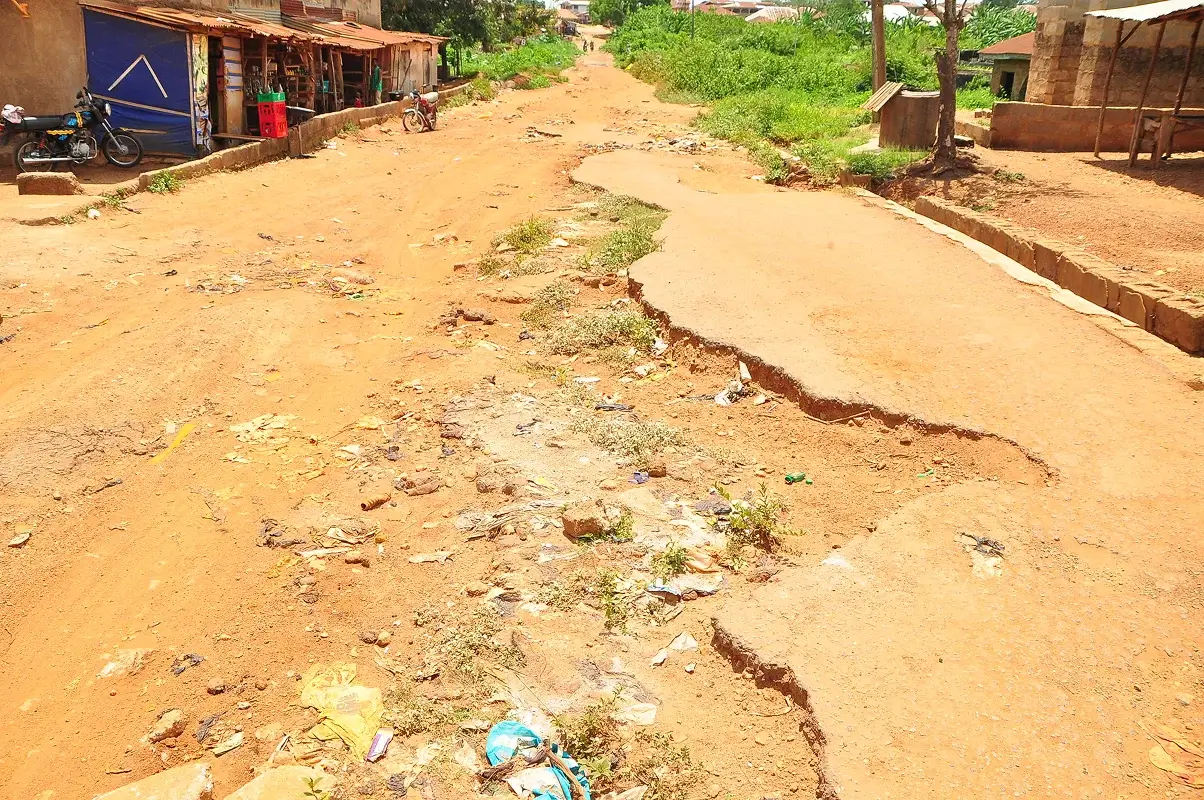
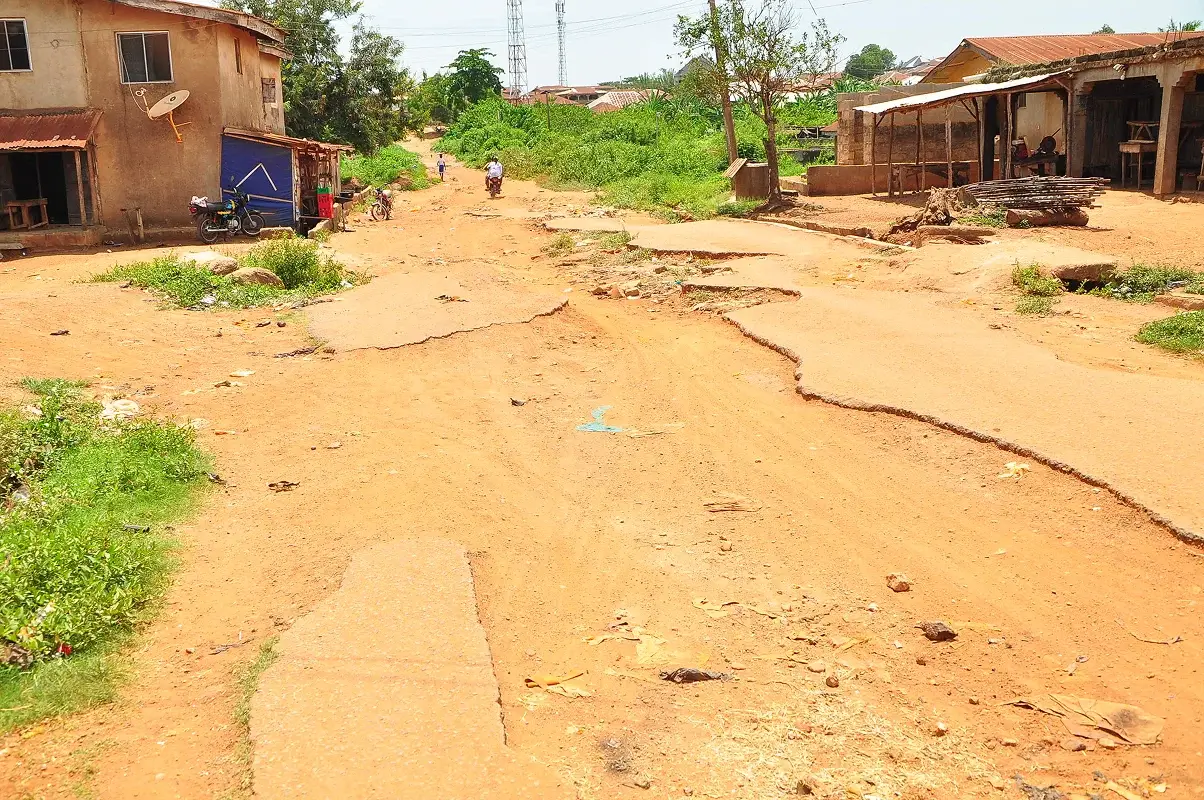
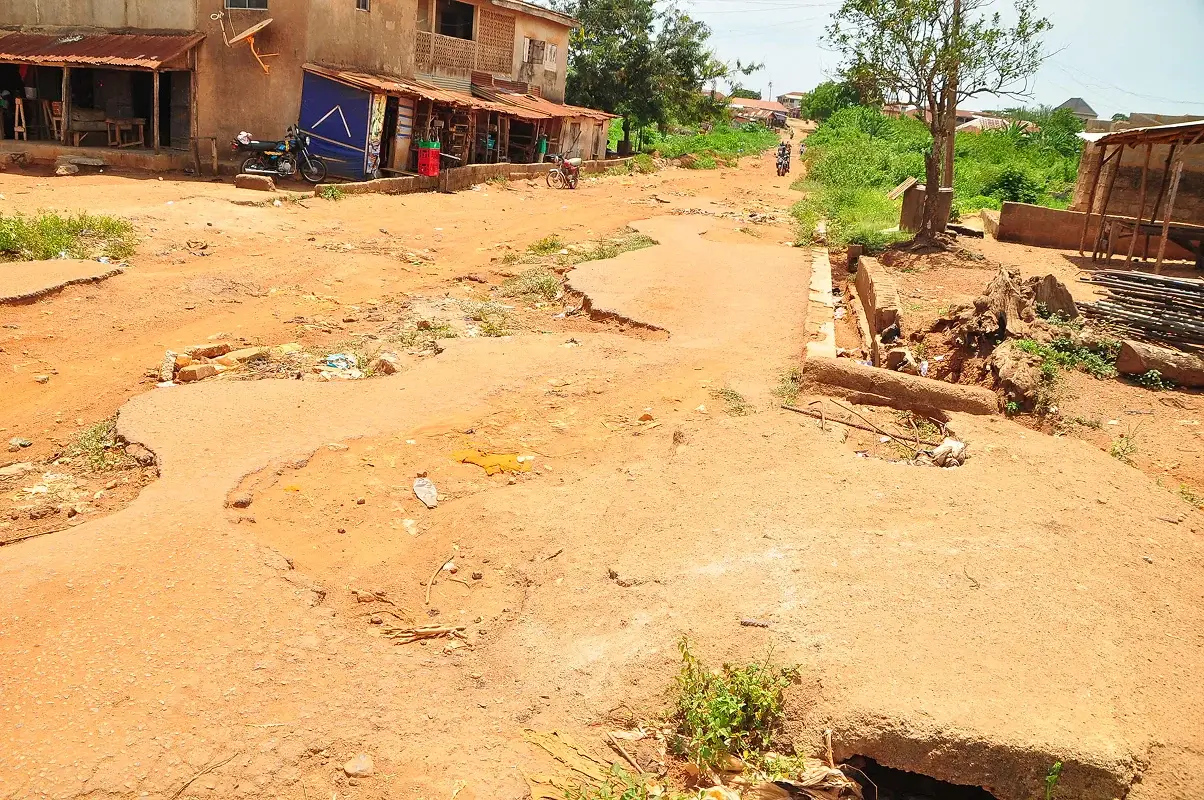
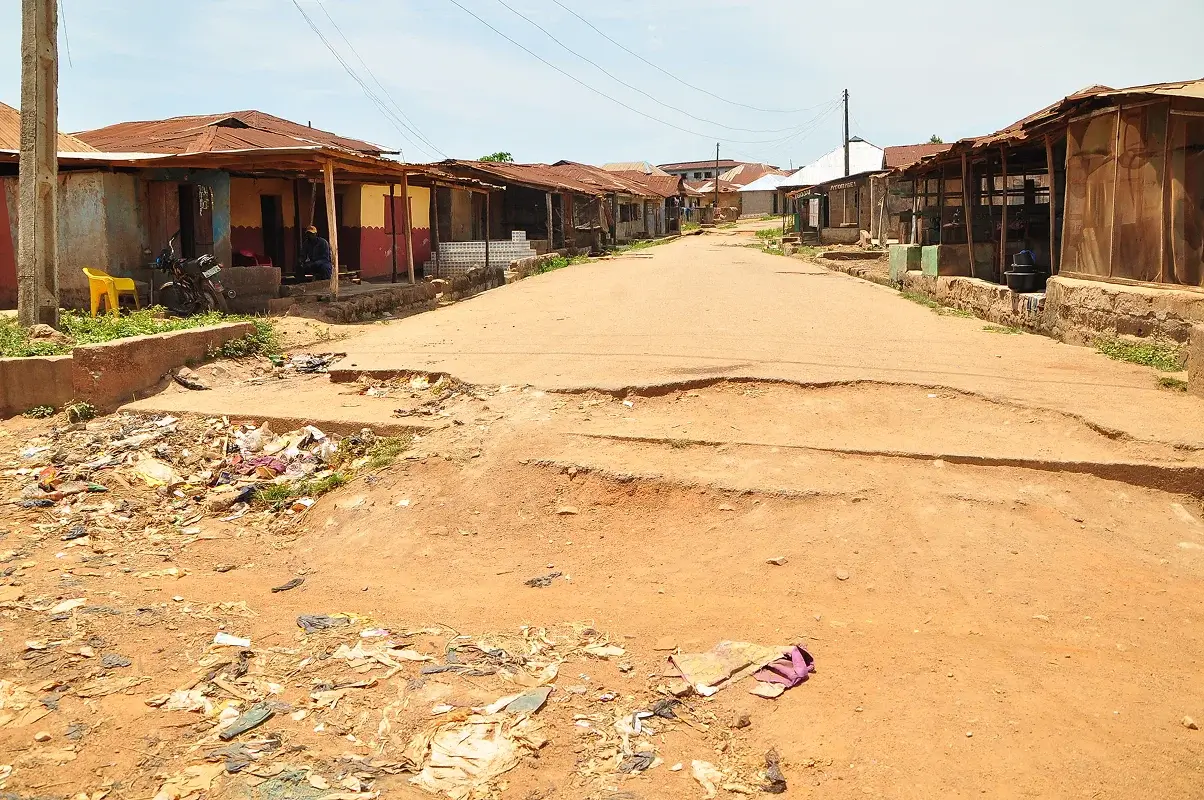
Photographic evidence gathered from Oke Ola Street reveals that this is not merely a street with a few potholes—it is a road in a state of advanced, systemic collapse.
1. Severe Asphalt Fracturing and Soil Erosion
The road surface has peeled away in massive, irregular layers, leaving behind sharp, stepped concrete drops. Major portions of the asphalt have completely vanished, exposing the unstable dirt roadbed underneath. During dry periods, heavy traffic kicks up clouds of dust into roadside businesses and homes; during rainy seasons, these deep depressions turn into muddy, impassable channels.
2. Death-Trap Drainage Failures
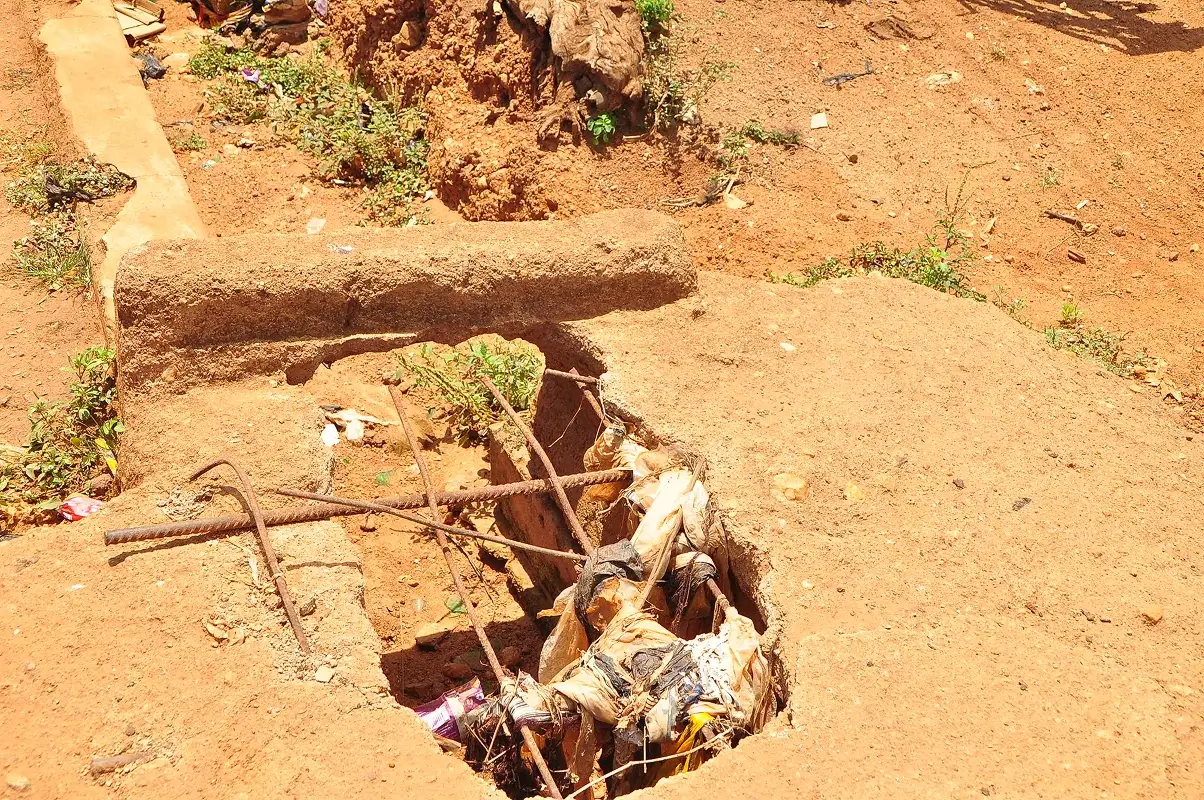
The most hazardous element on Quarry Road is its drainage network. Concrete drainage slabs have completely caved in, leaving wide, open pits directly alongside the walking path. Jagged, rusted iron reinforcements (rebar) stick out blindly from the broken concrete, and the open pits have become clogged with plastic bags and household waste. An open pit with exposed iron bars is a severe hazard to children, pedestrians, and nocturnal travelers.
3. Economic Suffocation for Local Trade
Oke Ola Street is lined with small shops, informal markets, and artisan kiosks. By allowing the main road to decay into a rugged dirt path, the administration is actively suffocating local business. Delivery vehicles cannot easily access shops, customers avoid the dust and debris, and commercial motorcyclists are forced to risk accidents just to complete a routine trip.
Where is the Local Government Allocation?
Osun State has seen substantial statutory allocations designed to reach all 30 Local Government Areas, including Isokan LGA. Yet, the stark images from Apomu tell a story of complete grassroots abandonment.
The Accountability Gap:
Why must rural and semi-urban communities wait indefinitely for basic road maintenance while massive resources are concentrated on high-visibility urban projects?
Who approved the substandard drainage infrastructure that cracked open to expose dangerous rebar?
Is the “light and progress” promised by the Adeleke government meant only for primary state highways, while the streets where everyday citizens live and trade are left to erode?
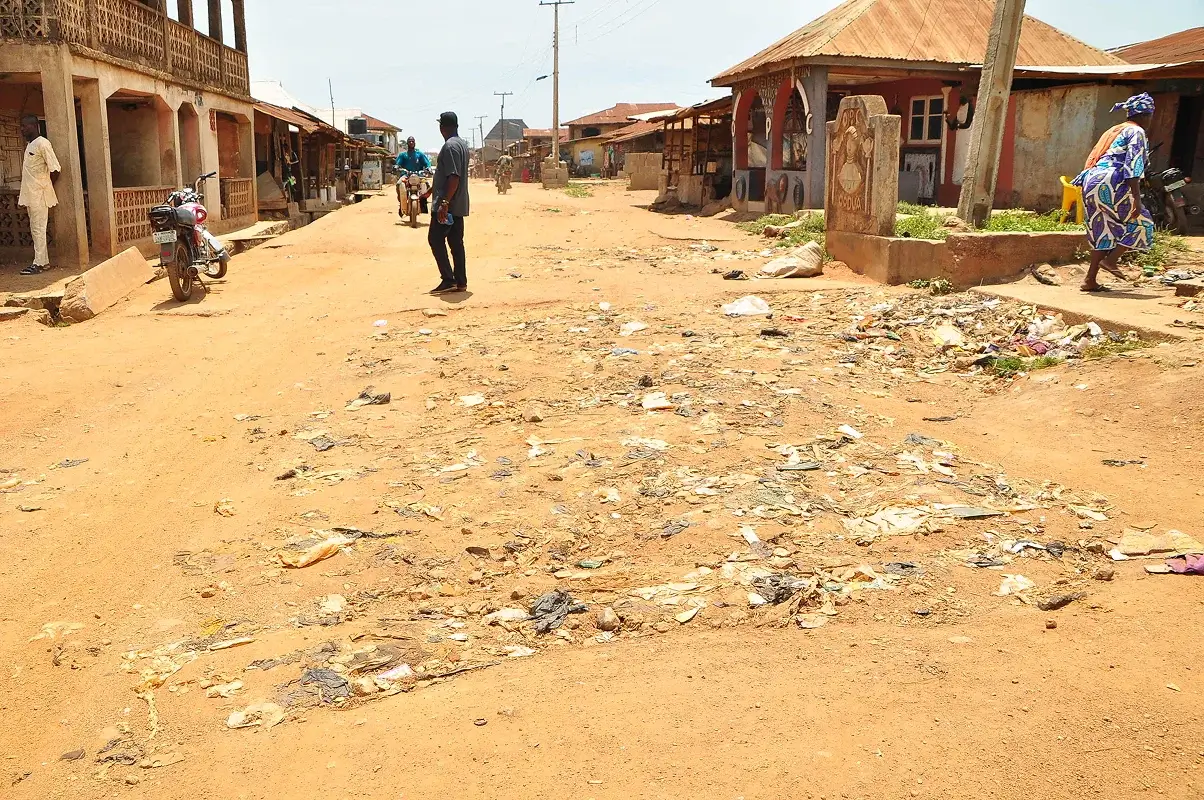
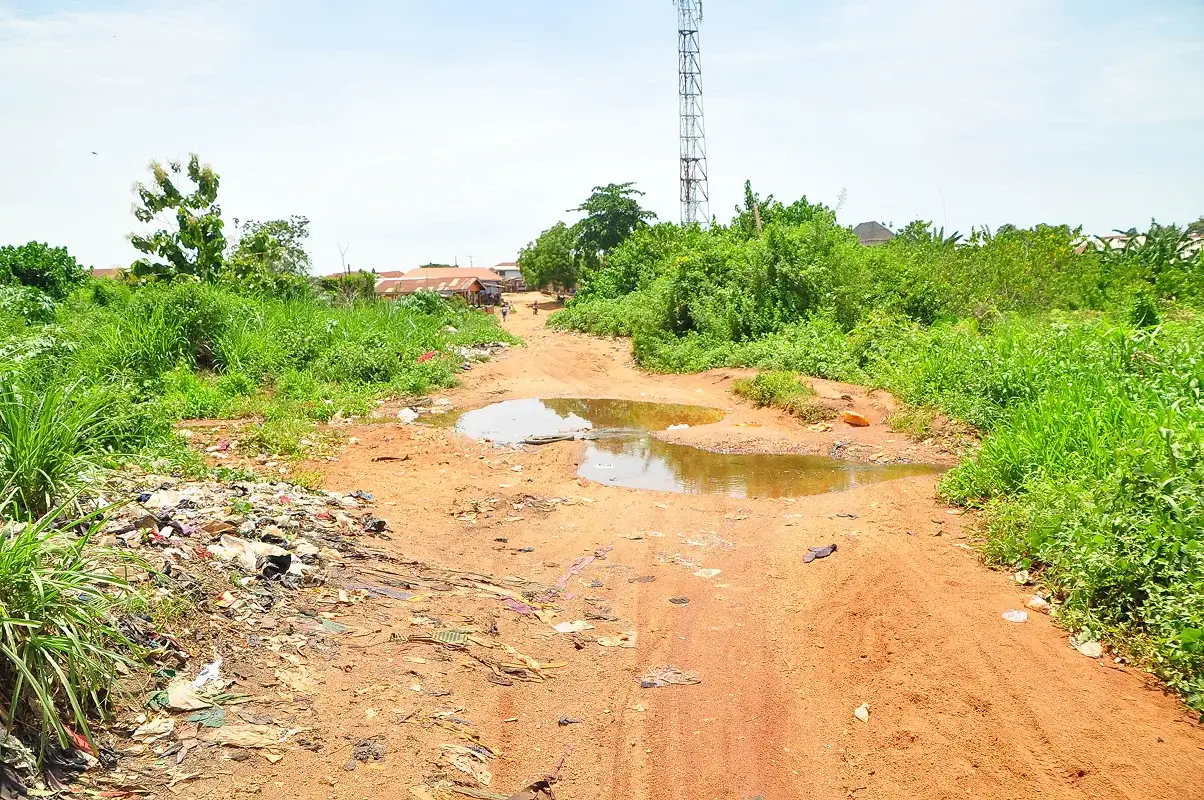
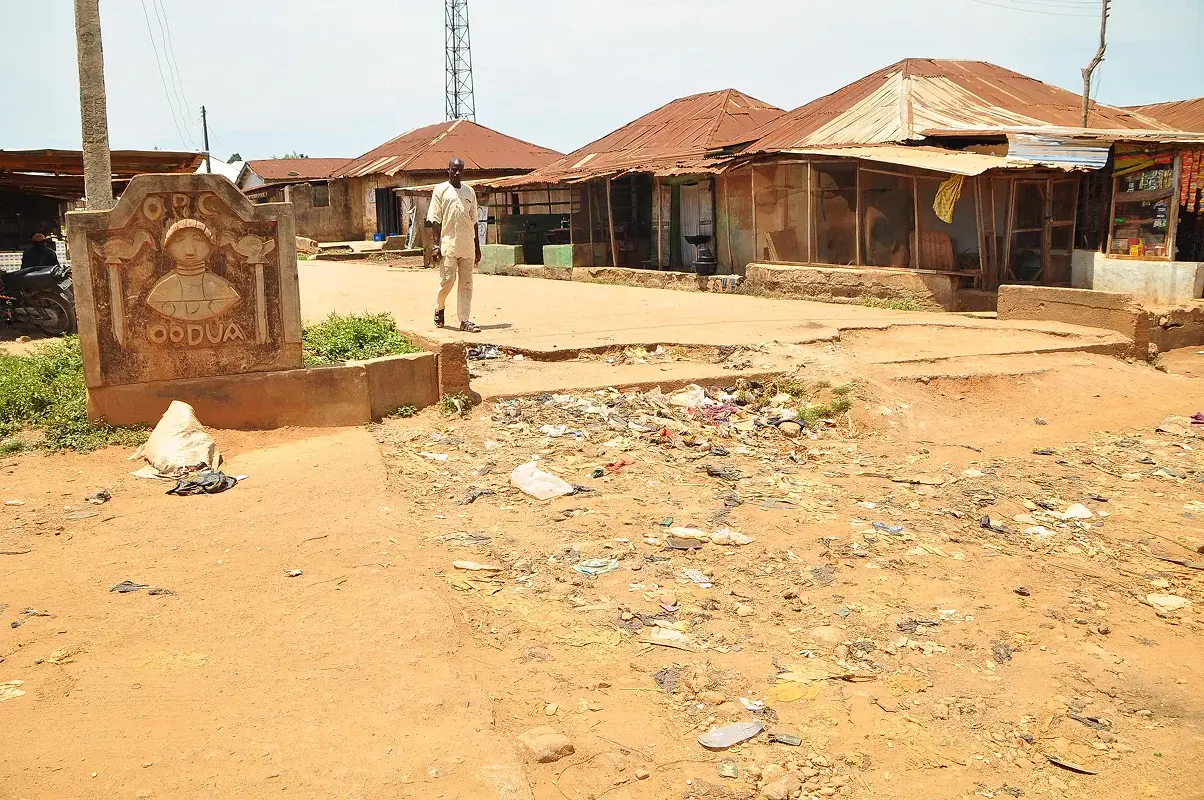
Conclusion: Governance Must Reach the Streets
A government’s performance cannot be measured solely by projects visible from a convoy windows. True leadership is found in the inner streets of communities like Apomu, where regular citizens strive to make a living.
The current state of Quarry Road is a failure of basic municipal governance. AfterTheDance.ng calls on the Osun State Ministry of Works and the leadership of Isokan Local Government to immediately deploy grading and paving crews to Oke Ola Street. The broken drainage slabs must be replaced, and the craters filled, before a preventable accident occurs.
The people of Apomu pay their taxes and cast their votes—it is time they receive their dividends.